Kefir grains range in size from 1 to 4 cm in length and look like small cauliflower florets in shape (irregular and lobed-shaped) and color (from white to light yellow).
This beverage that has been consumed for thousands of years and has a significant place among functional foods. Kefir originates from the northern slopes of the Caucasus Mountains and is believed to date back at least 1000 years.
Kefir consumption is associated with a wide array of nutraceutical benefits, including anti-inflammatory, anti-oxidative, anti-cancer, anti-microbial, antidiabetic, anti-hypertensive, and anti-hypercholesterolemic effects.
Kumiss is similar to the kefir; however, it is prepared by a liquid starter culture in contrast to the solid kefir grains used in kefir production.
Although kefir been consumed for thousands of years, it has recently gained popularity in relation to novel biotechnological applications, with different fermentation substrates being tested as non-dairy functional beverages.
Kefir is an acidic, low-alcohol probiotic beverage obtained from the fermentation of milk at ambient temperatures. A vast variety of different species of organisms forming the kefir grains, comprising yeast and bacteria, have been isolated and identified. The Lactobacillus genus is the most frequent throughout the fermentation period.
Others including species belonging to Lactococcus, Leuconostoc, and Acetobacter genera and yeasts. The yeast isolates belonging to species of the Kluyveromyces, Candida, Torulaspora, Pichia, Cryptococcus, Debaromyces, Kazachstania, Lachancea, Torulaspora, Zygosaccharomyces, Trichosporon and Saccharomyces genera.
The microbiota of kefir grains may differ depending on the geographical origin of the kefir grains, which are strictly connected to the climate conditions.
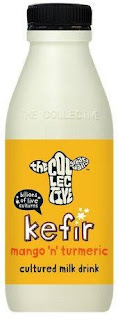
Kefir - a fermented milk product manufactured from kefir grains